Most homes are stacked
Census figures for 2024 put 43 percent of Miami's housing in towers of 50 units or more, and 4 in 10 homes went up in 2000 or later.
Miami-Dade County
In a Miami tower, a leak rarely stops at one unit. Call, and every unit it reached gets moisture readings and drying, including the ones below.
ZIP codes in the area
Some of these ZIP codes also include neighboring communities.
Most homes in the city of Miami are condos and apartments in buildings of 20 units or more, and most households rent. If water is moving between units in a Brickell tower or seeping up from a cracked drain under a 1940s house in Shenandoah, call South Florida Restoration Co and we’ll get a licensed, insured crew started on it.
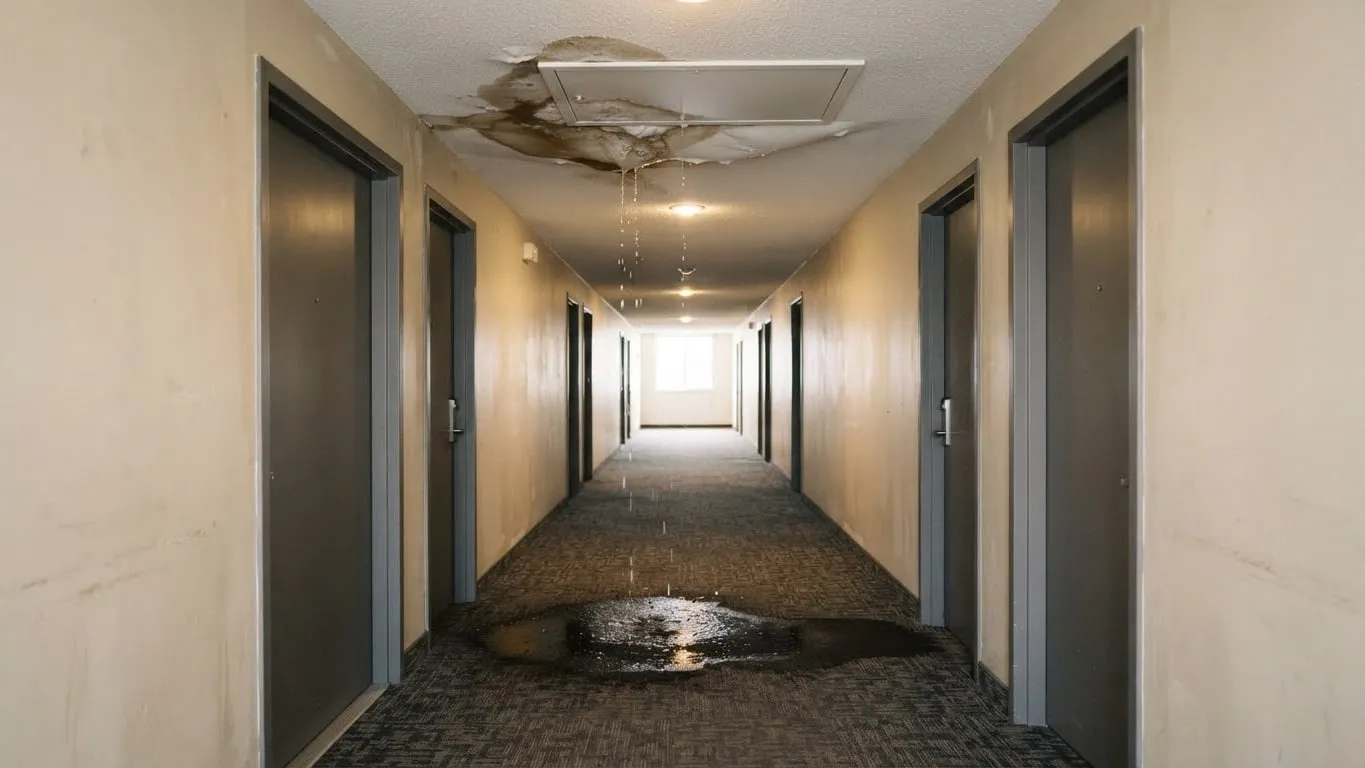
In a tower, water goes down and sideways at once. A burst bathroom supply line sends it down the plumbing chase and along the slab, staining a ceiling one or two floors lower. Some of it soaks into the wall you share with the neighbor. Bathrooms and kitchens are usually stacked, so one leak can wet the same spot in several units.
The building engineer usually shuts off the riser, which can leave a whole stack without water for a few hours. Then the moisture readings set the drying, floor by floor. Water coming through your ceiling? Start with what to do about a leak from the unit above. Managing several floors? See how restoration in commercial and condo buildings is phased.
Call when the water turns up, and tell the landlord or building manager the same day. Photograph your furniture, electronics, clothes and rugs before they’re moved, so there’s a record of your things, not only the building’s walls. Move what you can out of the wet rooms and away from the drip.
Once the air movers and dehumidifiers are set, leave them on. They run around the clock, and switching them off because they’re loud or in the way only stretches the job out.
Away from the towers, Little Havana, Shenandoah and Allapattah are bungalows, duplexes and small apartment buildings. In houses that age, cast-iron drains under the slab scale up and crack, and galvanized supply pipe rusts closed or splits. A cracked drain can soak the slab under two or three rooms while the tile on top still looks dry.
The other common source is a clogged condensate drain line in the air handler closet, covered on the AC leak water damage page.
The low streets along Biscayne Bay take on water during the highest tides of the year, sometimes on clear days in the fall. It comes up through storm drains and over low edges into yards, garages and ground-floor units. Tide water is salty and carries whatever was on the street, so wet drywall, carpet and other porous materials come out and the rest is cleaned before drying, as with flood cleanup after a storm.
The ZIPs listed here cover the city itself. Plenty of Miami mailing addresses are in Kendall, Westchester or the Doral area, and they call the same number. In Kendall, see water damage restoration in Kendall. Don’t see your ZIP? Call anyway and we’ll check your address.
Calling from a building? Tell us your floor, where the water is coming from and whether management has shut anything off. That tells us which units need readings first.
Services
Census figures for 2024 put 43 percent of Miami's housing in towers of 50 units or more, and 4 in 10 homes went up in 2000 or later.
About two-thirds of households in the city rent, so a leak usually involves a landlord or building manager as well as the people living with it.
Roughly one home in six predates 1950, and houses that old often still run on cast-iron drains and galvanized supply pipe.
Miami-Dade County describes king tides as the highest predicted tides of the year, strongest in autumn and pushing farther inland as the sea rises.
FAQ
It's wind-driven rain, and it's handled as a leak from outside. Water gets past a window or sliding door frame, runs down inside the wall and often shows up at the baseboard or the floor below the window. The wall gets moisture readings, and the drywall and flooring there get dried.
Yes. Wherever the water came from, the drywall, ceiling and floor in your unit hold it until they're dried. Take photos of your unit and call so your own readings start. If management tells you when the riser was shut off, pass that along.
Ground-floor units, storage rooms and anything next to the garage can take on water that comes in at street level. Units on upper floors usually stay dry. If you're on the ground floor, have the walls read even if the water stayed in the hallway.
Call now
Shut off the water if you can reach the valve safely, then call. Describe where it came from and which rooms are wet.
When you call, have ready