Short answer
Flood water rises in from outside, from rain runoff, a tide, a canal or storm surge, and it's handled as Category 3: wet drywall, insulation, carpet and pad get pulled, and what stays is cleaned before drying. Leak water from a broken pipe starts clean, and caught early, much of what it wet can be dried where it is.
Flood water vs leak water is the first question in any cleanup, because the answer decides what stays in the house. Around South Florida, South Florida Restoration Co will get a licensed, insured crew on either one, and the plan starts with the source.
Which kind of water came in?
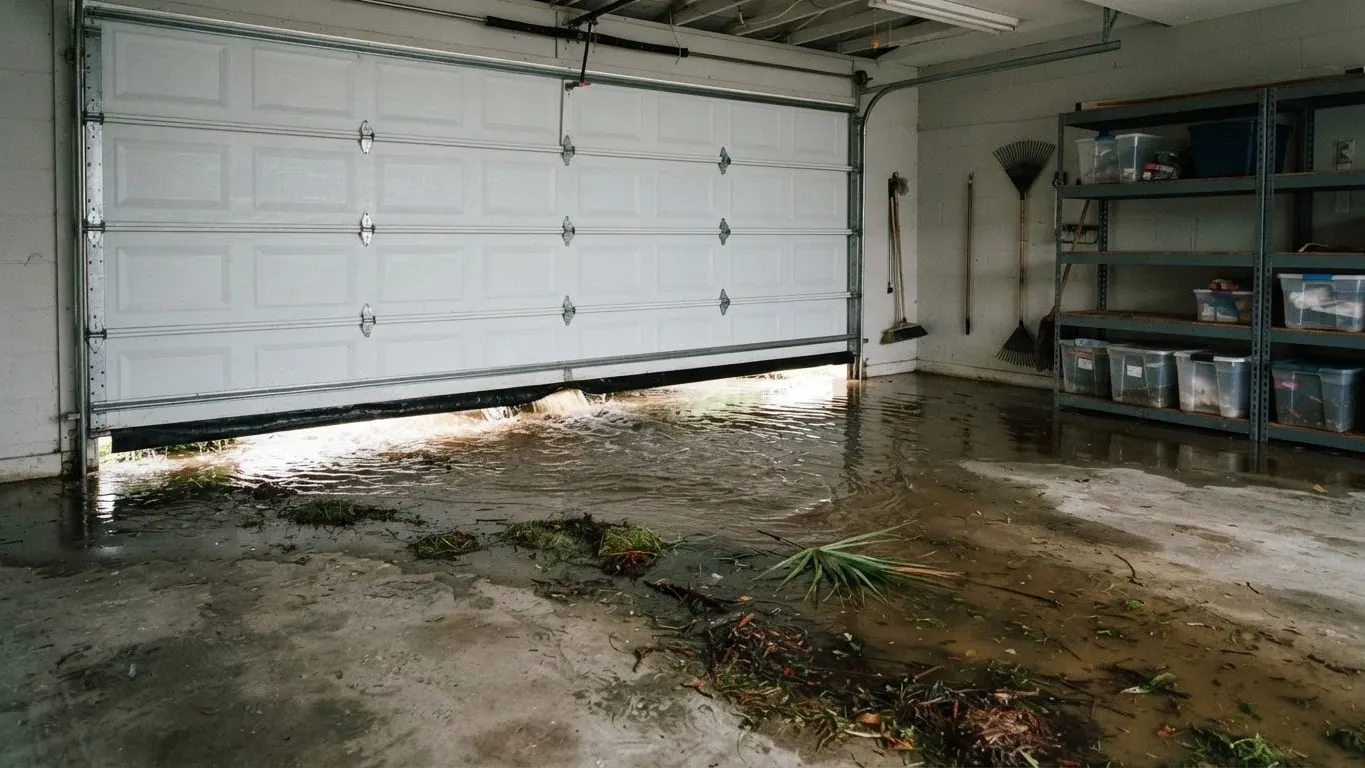
Flood water comes up from the ground: storm runoff, a high tide or king tide, a canal that topped its bank, or storm surge. Leak water comes from inside or above: a supply line, a water heater, a washing machine hose, a backed-up condensate line, or rain getting past roof flashing or a window frame.
The way it got in usually settles it.
| What you see | Usually means |
|---|---|
| Water came under exterior doors or through the garage while the street or yard was flooded | Outside water |
| The water line sits at the same height across several rooms | Outside water |
| Mud, silt, grass or a sewer smell in the water | Outside water, or a sewer backup with it |
| Water spreading out from one fixture, wall or ceiling spot | Leak water |
| It keeps coming after you shut off the main | Not a supply line; look at drains, the AC or the outside |
If the toilets or tub drains bubbled up at the same time the street flooded, there’s sewage in the mix too, and sewage cleanup covers what that adds.
What category is each one?
Restoration crews sort water into three categories under the industry standard, ANSI/IICRC S500. A broken supply line, an overflowing tub with no soap or waste in it and falling rain are Category 1, clean at the source. Washing machine and dishwasher discharge and AC condensate are Category 2, gray water. Flooding from ground surface water or rising rivers and streams is Category 3, because it carries silt and organic matter in with it, and canal, tide and surge water get in the same way. The CDC warns that a flooded home may be contaminated with mold or sewage.
| Source | Water category | What usually comes out | Drying approach |
|---|---|---|---|
| Supply line, water heater, ice maker line | Category 1, clean | Carpet pad, swollen particleboard | Dried in place if caught early |
| Washer, dishwasher or AC condensate overflow | Category 2, gray | Pad, often the carpet, drywall that stays wet | Cleaned, then dried |
| Street flooding, canal, king tide or storm surge | Category 3, black | Lower drywall, insulation, carpet and pad | Cut out and washed first, then dried |
Clean water also gets dirtier as it soaks into floors and walls, and the longer gray water sits untreated, the closer it gets to being handled as Category 3. The clean, gray and black water guide walks through each one.
What gets removed and what gets dried
| Material | Clean leak, caught early | Outside flood water |
|---|---|---|
| Drywall | Often dried in place if readings drop | A strip above the water line is cut out |
| Wall insulation | Dried if barely wet, removed if soaked | Removed wherever it got wet |
| Carpet and pad | Carpet often dried; pad usually replaced | Both come out |
| Tile on the slab | Dried | Washed, disinfected, then dried |
The difference comes down to what’s in the water. A clean leak leaves moisture behind, and pulling that moisture out is most of what water damage restoration does. Outside water leaves dirt and bacteria in the paper face of drywall, inside insulation and through carpet pad, and drying doesn’t take that out.
Why outside water means a flood cut and a wash first
With flood water, the crew cuts the drywall straight across, above the highest water mark, pulls the insulation, and opens the wall cavity. Then the framing, the plate along the floor and the slab get washed and disinfected, and only then does the drying equipment get set. Cleaning first keeps the smell and the mold from coming back once the walls are closed up. Flood cleanup explains how the cut height is set and how the mud comes out.
Water from a tide or surge adds one more step. Salt water is especially corrosive to electrical parts, and the Electrical Safety Foundation warns that water-damaged outlets, panels and appliances can start a fire or shock someone if they’re switched back on before an electrician checks them.
When rain alone floods the house
You don’t need to live on a canal for outside water to get in. On April 12, 2023, more than 20 inches of rain fell around Fort Lauderdale/Hollywood International Airport, most of it between 5 p.m. and midnight, and the National Weather Service issued a flash flood emergency that evening. NOAA’s review of the storm put the 12-hour odds of that much rain at less than 1 in 1,000 in a given year. Water that rises in from streets and yards like that gets handled as flood water, wherever the house sits.
The coast adds tides. Fall king tides can push salt water up through storm drains on dry days, and when it reaches a garage or ground floor it’s treated as flood water too.
Flood zones are mapped by address in FEMA’s Flood Map Service Center. One more difference between the two kinds of water: FEMA notes that homeowners policies don’t normally cover flood damage, while a sudden leak inside the house is a separate kind of loss.
When it’s both
A storm can bring both kinds at once. Rain through a roof or window wets a ceiling and walls from above, while water rises under the front door below. Those rooms get split by source: the ceiling and upper walls are handled as a leak, and the floors and lower walls as flood water. A long power outage changes things too: a clean leak that sat for days in a hot house with no AC running no longer counts as clean.
On the phone, say whether the water came up from outside or down from inside, how high it got, how long it sat and whether any drains or toilets backed up.