Pines Boulevard splits the drainage
North of Pines Boulevard, rain drains to the C-11 canal. South of it, rain goes to the tidal C-9, which has no water management district pump, South Broward Drainage District explains.
Broward County
Much of west Pembroke Pines drains by gravity, so after big storms water can take days to drain. Call, and drying inside starts while the yard is still wet.
ZIP codes in the area
Some of these ZIP codes also include neighboring communities.
Pembroke Pines runs west to US 27 at the edge of the Everglades, and Pines Boulevard decides where your street’s rain drains. South Florida Restoration Co gets water damage restoration, flood cleanup and sewage cleanup started across the city, in older east-side houses, 1990s subdivisions out west and the condos in between.
South Broward Drainage District, which keeps about 150 miles of canals across southwest Broward, splits the city at Pines Boulevard. North of the boulevard, rain drains to the C-11 canal. South of it, rain goes to the C-9, a tidal canal with no regional pump. During Tropical Storm Eta in November 2020, 12 to 18 inches fell in two days on ground already soaked from October, and the C-11 rose higher than the district had seen it in more than 30 years. Walden Lakes and Chapel Trail streets flooded, and water stood in Silver Lakes for days.
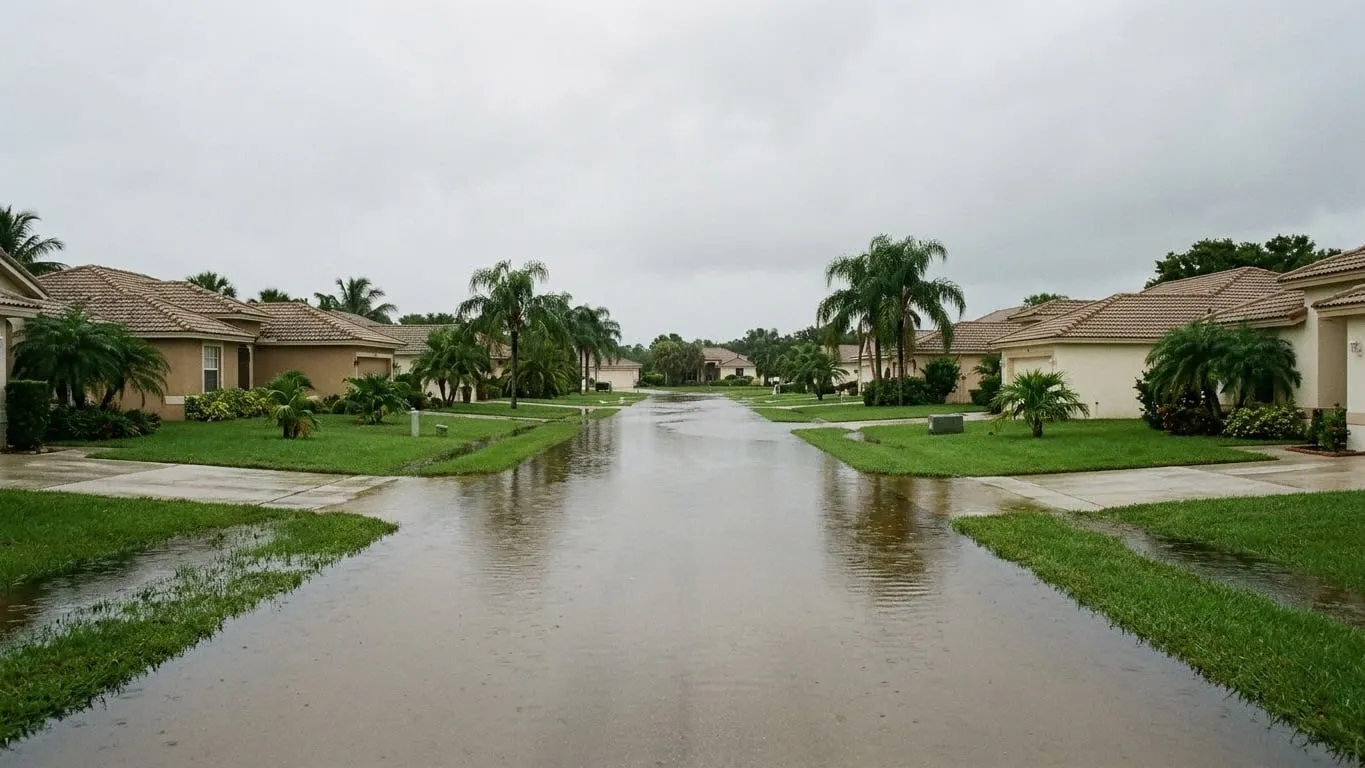
Out west, much of the water headed for the C-11 moves by gravity alone, so once the canal is full nothing pushes it out. After Eta the district warned it could take several days to a week to go down. Water that got inside is flood cleanup, and wet drywall and carpet pad can start growing mold within 24 to 48 hours, so extraction and drying don’t wait for the street to clear.
During Eta, Local10 reported sewage spilling from manholes in Pembroke Pines. Saturated ground lets groundwater seep into the sewer pipes until they’re full. If the street is flooded and a toilet won’t flush, stop running water. Water that comes up through a drain is sewage, and anything porous it touched gets removed.
More than a third of the city’s homes went up in the 1990s, when families displaced by Hurricane Andrew in 1992 moved in from Miami-Dade. About a quarter are in buildings of 20 units or more, including the 55+ condos at Century Village. In a stacked building, a failed supply line or water heater can run into the units below before anyone notices. For a leak from upstairs, see the guide to leaks from the unit upstairs.
Pembroke Pines homes in 33024, 33025, 33026, 33027, 33028, 33029 and 33082 are covered, and some of those ZIP codes also take in parts of Hollywood and Miramar. Don’t see your ZIP? Call anyway and we’ll check your address.
Open the call with which side of Pines Boulevard you’re on and whether the water came in from outside or up through a drain. That tells us how long the water may sit and what cleanup it needs.
North of Pines Boulevard, rain drains to the C-11 canal. South of it, rain goes to the tidal C-9, which has no water management district pump, South Broward Drainage District explains.
Tropical Storm Eta dropped 12 to 18 inches in 48 hours in November 2020, and the district expected water upstream in western Pembroke Pines to take several days to a week to go down.
During Eta, Local10 reported sewage spilling from manholes in Pembroke Pines while the ground was saturated.
More than a third of homes were built in the 1990s, the median dates to 1992, and about a quarter are in buildings of 20 or more units, by 2024 Census estimates.
Services
FAQ
Don't flush, shower or run the washer. The sewer lines are full, and anything sent down the drains can come back up inside. If it already has, close that room off, keep everyone out and call.
Stay out of the room, because more of the wet ceiling can fall. If water is near a light fixture in that ceiling, keep it switched off. The soaked insulation and drywall come out, the framing above gets dried, and the rooms underneath are checked.
Yes. Century Village and the other 55+ communities in Pembroke Pines are covered. In a stacked condo the units below need checking too, so start with your building and unit number.
Call now
Shut off the water if you can reach the valve safely, then call. Describe where it came from and which rooms are wet.
When you call, have ready