Short answer
Clean water (Category 1) comes from a supply line, faucet or ice maker line and usually dries in place. Gray water (Category 2) carries some contamination, like AC condensate, washer drain water or a toilet bowl overflow with no waste. Black water (Category 3) is sewage, a septic backup or outside flood water, and soaked porous materials come out.
South Florida Restoration Co sorts every water damage call from Key Largo up to Martin County by the kind of water first, because clean water, gray water and black water make three different jobs. The industry standard for restoration, ANSI/IICRC S500, calls them Category 1, 2 and 3. The category decides the protective gear on the job, which wet materials get dried in place and which ones get cut out, bagged and hauled away.
Which category is my leak?
| Category | Also called | Typical sources | What happens to porous materials |
|---|---|---|---|
| Category 1 | Clean water | Supply lines, water heaters, ice maker lines, rain straight through a window | Often dried and kept if caught early |
| Category 2 | Gray water | Washer or dishwasher discharge, AC condensate that sat in the pan | Pad and anything that stays wet usually come out |
| Category 3 | Black water | Sewage, septic backups, flood water from outside | Removed and bagged, because drying doesn’t clean them |
The usual South Florida leaks sort out like this.
Clean water (Category 1)
- A supply line that burst under the kitchen sink or behind the toilet
- An ice maker line or a dishwasher supply hose that split
- A tub or sink that ran over with clean water
- A cracked toilet tank, since the tank holds fresh supply water
- Rain that blew in straight through a window or slider frame
Gray water (Category 2)
- AC condensate from a drain line that clogged or a pan that ran over
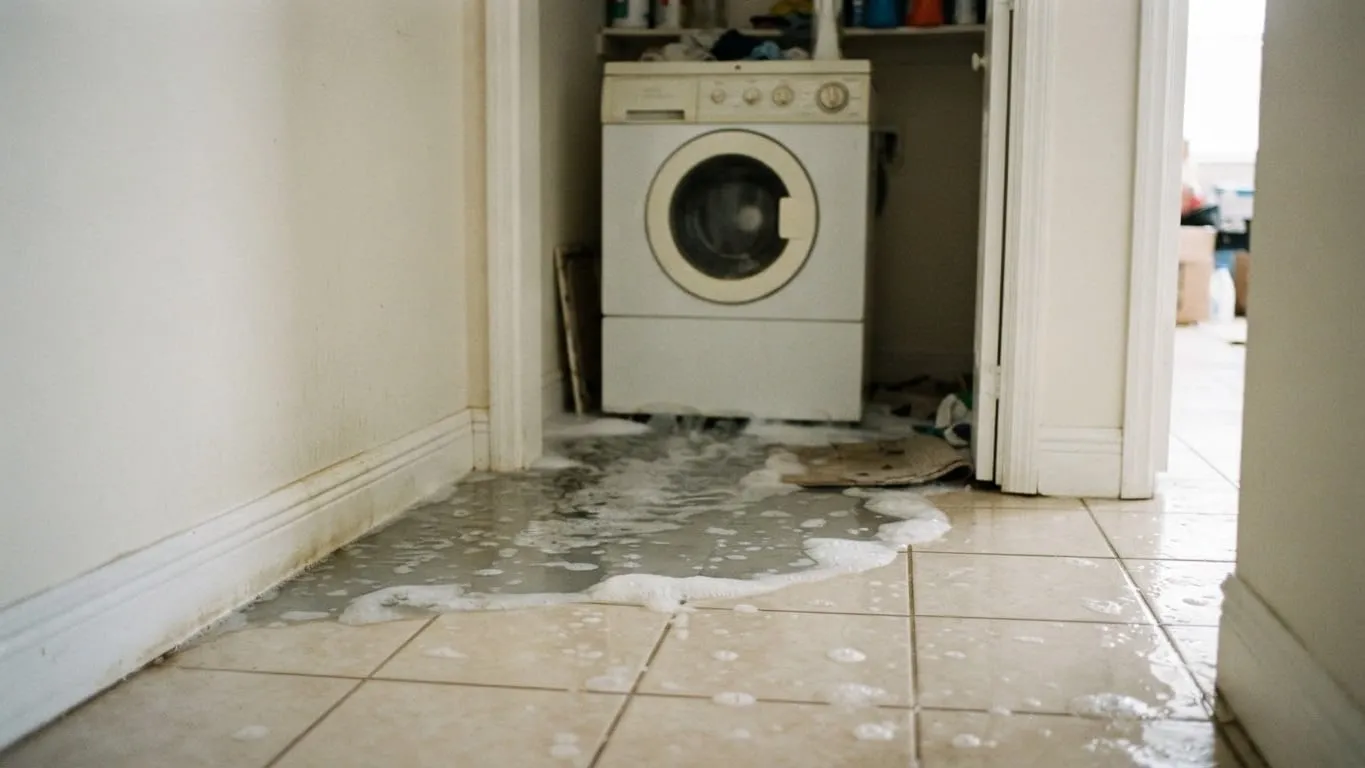
- A washing machine or dishwasher that dumped its drain water on the floor
- A toilet bowl overflow with urine but no feces in it
- A fire sprinkler line that broke in a condo tower or office
Black water (Category 3)
- Sewage coming up a floor drain, tub or cleanout
- A septic tank backing up into the house
- Street flooding, storm surge, king tide or canal water that came in under the doors
Toilet overflows: which side of the trap?
A bowl that overflows because of a clog is gray water, as long as there was no waste in it. Water pushing up from a blocked line past the toilet is different: Northwestern University’s water intrusion guide, which follows the S500, puts any waste line backflow from beyond a trap in Category 3, whatever it looks like. Clear water rising from a downstairs toilet or tub after a flush somewhere else in the house is still sewage.
Clean water doesn’t stay clean
Time and heat change the category. Clean water left sitting a day or two picks up bacteria from the carpet, pad, dust and soil it runs through, so it can end up handled as gray water. The S500 lets a category get worse with time: clean can become gray, and gray left sitting can become black.
Warmth speeds that up. A closed-up house in July, AC off, or a condo where a supply line ran all weekend while the owner was away, can turn a clean-water leak into a dirtier job by the time anyone opens the door. A sour or musty smell from wet carpet is the usual clue that the water has turned.
What each category changes on the job
| Category | What usually gets dried in place | What usually comes out | Gear on the job |
|---|---|---|---|
| Clean | Drywall, framing, slab, often the carpet | Carpet pad, swollen particleboard | Basic gloves and boots |
| Gray | Hard surfaces after cleaning, drywall that reads dry quickly | Carpet pad, often the carpet, drywall that stayed wet | Gloves, boots, eye protection, disinfectant |
| Black | Tile, sealed concrete, studs and metal after cleaning and disinfecting | Carpet, pad, lower drywall, insulation, particleboard cabinet bases, upholstered furniture | Full protective gear, the area closed off with plastic |
Porous materials hold contamination along with the water, so drying them doesn’t make them clean. That’s why the dirtier the water, the more gets cut out before any drying equipment is set. With black water the cleaning comes first and the drying second; sewage cleanup covers how that runs, and flood cleanup covers water from the street, a canal or the tide.
Keep people away from gray and black water
Until the category is known, treat the water as dirty. Kids, pets and anyone who’s ill stay away from the wet rooms. Don’t track it through the house. Wear rubber gloves and boots to pick anything up, and wash up with soap afterward.
If the water came up out of a drain, stop running water anywhere in the house and read what to do when sewage backs up while you wait.
What to say when you call
Say what the water came out of, whether it came down from a pipe or up out of a drain, and how long it sat before anyone found it. Mention any smell, and whether carpet, cabinets or a unit below got wet. That’s enough to sort the category, so the licensed, insured crew arrives with the right gear.